
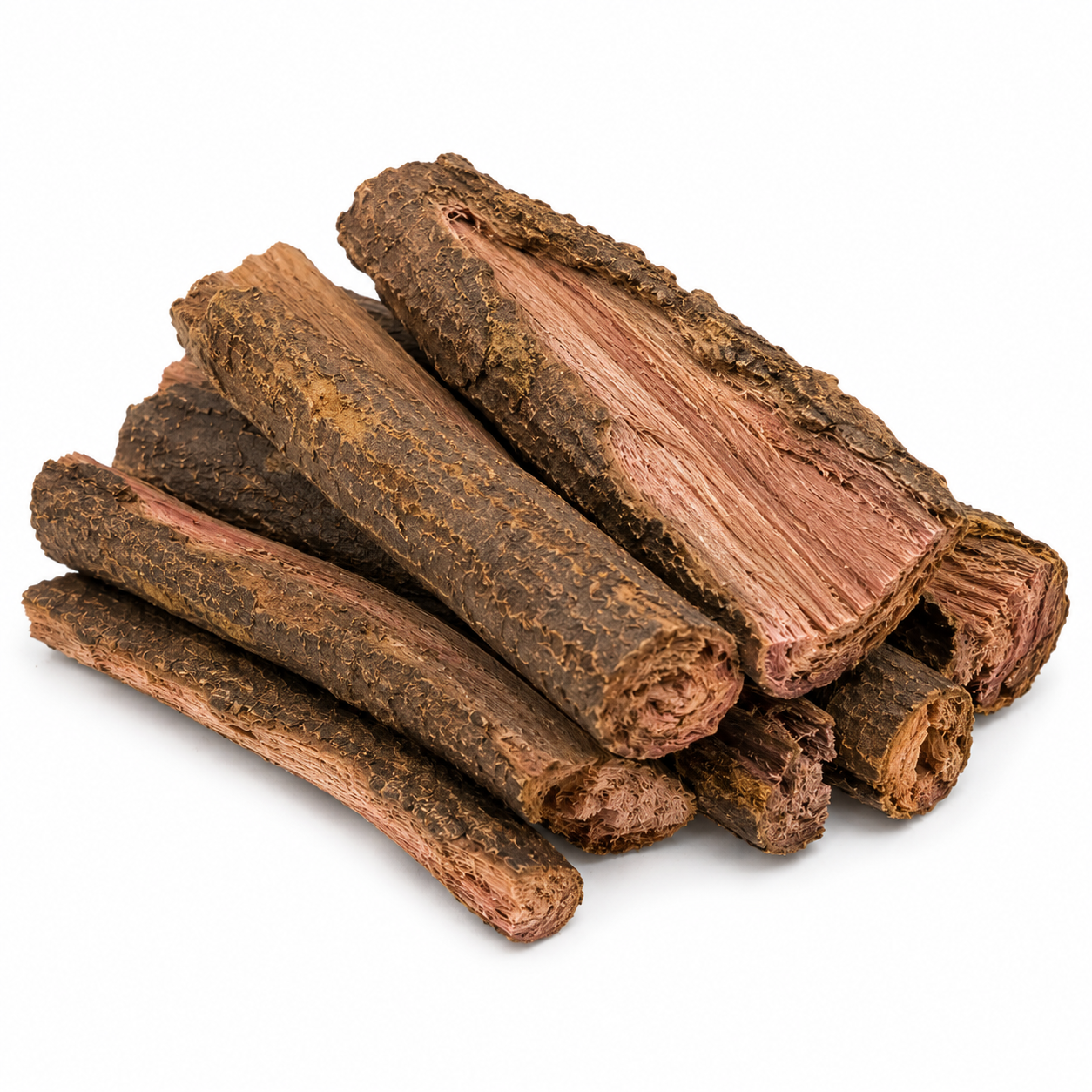
Mexican Mimosa hostilis Inner Root Bark – Whole
Price range: $135.99 through $550.99
🌿 Mexican Mimosa Hostilis Inner Root Bark – Whole
Discover Mexican Mimosa Hostilis Inner Root Bark – Whole, a minimally processed botanical material associated with Mimosa tenuiflora, commonly known as Mimosa Hostilis.
🇲🇽 Origin: Mexican botanical material
🌱 Species: Mimosa tenuiflora
🍂 Plant Material: Inner root bark
🌿 Form: Whole / minimally processed bark
📚 Common Abbreviation: MHRB
✨ Natural Botanical Supply provides detailed botanical information, careful product presentation, professional packaging, and reliable worldwide service.
⚠️ Please verify applicable laws and regulations in your location before purchasing, possessing, importing, or otherwise handling this product.
🌿 Mexican Mimosa Hostilis Inner Root Bark – Whole
Mexican Mimosa Hostilis Inner Root Bark – Whole is a minimally processed botanical material associated with Mimosa tenuiflora, a tree species belonging to the Fabaceae family.
This product is presented in a whole inner root bark format, meaning the botanical material retains larger pieces and more of its natural physical structure than shredded or powdered forms.
Natural Botanical Supply provides detailed information about botanical identity, geographic origin, physical form, natural characteristics, storage, and general product considerations.
🌱 About Mimosa Hostilis / Mimosa tenuiflora
Mimosa tenuiflora is a perennial tree belonging to the Fabaceae family and is commonly encountered under the name Mimosa Hostilis.
The species is associated with regions of Latin America and is recognized for its finely divided foliage, thorny branches, clustered flowers, and ability to grow in challenging environments.
The scientific name Mimosa tenuiflora is particularly useful when researching botanical products because common names can sometimes vary between commercial and regional sources.
🇲🇽 Mexican Botanical Origin
This product is identified as Mexican Mimosa Hostilis Inner Root Bark, referring to botanical material associated with Mexican sources of Mimosa tenuiflora.
The geographic origin of a botanical product can be an important part of its description because natural plant characteristics may vary according to growing environment, climate, soil conditions, harvesting practices, and preparation methods.
For this reason, we clearly identify the geographic description of this product rather than treating all Mimosa Hostilis root bark products as identical.
🍂 What Is Inner Root Bark?
Inner root bark refers to bark material associated with the inner portion of a plant’s root. It is distinct from the bark of the trunk and branches and should not be confused with leaves, stems, or other plant parts.
In a whole-bark product, larger pieces of botanical material remain visible, allowing customers to see more of the original physical structure than they would in a finely processed powder.
🌿 Understanding Whole Root Bark
The term whole describes the physical presentation of the product rather than a claim about chemical composition or potency.
Compared with shredded or powdered forms, whole inner root bark generally contains larger pieces with more visible fibers, irregular edges, and natural variations in shape and thickness.
Because this is a natural botanical material, individual pieces may vary in color, texture, thickness, and size.
🔬 Whole vs Shredded vs Powdered MHRB
| Characteristic | Whole | Shredded | Powder |
|---|---|---|---|
| Physical Form | Large pieces | Smaller fibrous pieces | Fine material |
| Visible Structure | Highest | Moderate | Limited |
| Processing | Minimal | Cut / shredded | Finely milled |
🌿 Natural Product Characteristics
- 🍂 Whole Botanical Material: Larger pieces retain more visible physical structure.
- 🎨 Natural Color Variation: Color may vary naturally between individual pieces and batches.
- 🌱 Irregular Shape: Natural bark pieces may differ in size, thickness, and edge shape.
- 🇲🇽 Geographic Description: This product is specifically identified as Mexican botanical material.
- 📦 Careful Packaging: Products are packaged with attention to protecting their condition during storage and transportation.
📋 Botanical Information
| Common Name | Mimosa Hostilis |
| Scientific Name | Mimosa tenuiflora |
| Family | Fabaceae |
| Plant Type | Tree / shrub |
| Geographic Description | Mexican botanical material |
| Product Form | Whole Inner Root Bark |
📚 Botanical Identification
When researching Mimosa Hostilis products, using the scientific name Mimosa tenuiflora provides a more precise way to identify the species than relying solely on common or commercial names.
This is particularly useful when comparing products described by geographic origin or physical form. Terms such as Mexican MHRB, Brazilian MHRB, whole root bark, shredded root bark, and root bark powder describe different aspects of a botanical product and should not be treated as interchangeable terms.
📦 Storage Information
To help maintain the condition of whole botanical bark, store the product in a cool, dry environment protected from excessive moisture, heat, and prolonged direct sunlight.
- 💧 Protect from moisture
- ☀️ Avoid prolonged direct sunlight
- 🌡️ Keep away from excessive heat
- 📦 Keep securely sealed when not in use
⭐ Why Choose Natural Botanical Supply?
🌿 Detailed Botanical Information
We provide clear information about species identity, geographic origin, plant material, and physical form.
🇲🇽 Clearly Identified Origin
This product is specifically presented as Mexican botanical material.
📦 Careful Product Presentation
Our botanical collections are packaged and presented with attention to product condition and information.
🌎 Worldwide Service
We serve customers internationally, subject to destination requirements and applicable regulations.
📚 Botanical Knowledge Center
Explore educational resources about Mimosa species, botanical materials, plant classification, and product forms.
📚 Explore More Mimosa Hostilis Information
Learn more about Mimosa Hostilis through our Botanical Knowledge Center , where we publish botanical profiles, educational guides, and information about natural plant materials.
Explore our Mimosa Hostilis Root Bark Collection to discover additional MHRB products and available forms.
You can also compare this product with our Brazilian Mimosa Hostilis Inner Root Bark Powder collection to explore differences in geographic description and physical form.
❓ Frequently Asked Questions
🌿 What is Mexican Mimosa Hostilis Inner Root Bark?
It is whole botanical root bark material associated with Mimosa tenuiflora and identified as Mexican in geographic origin.
🔬 What does MHRB mean?
MHRB commonly stands for Mimosa Hostilis Root Bark.
🍂 What does “whole” mean?
Whole refers to the physical form of the product. It indicates that the material is supplied as larger pieces rather than being finely milled into powder.
🌱 Is Mimosa Hostilis the same as Mimosa tenuiflora?
Mimosa Hostilis is a commonly used name associated with the species scientifically known as Mimosa tenuiflora.
🇲🇽 What does Mexican MHRB mean?
Mexican MHRB refers to Mimosa Hostilis root bark identified as originating from Mexican botanical sources.
🆚 How is whole bark different from powder?
Whole bark retains larger pieces and more recognizable physical structure, while powder has been processed into a much finer material.
📦 How should whole Mimosa Hostilis Root Bark be stored?
Store the product in a cool, dry environment protected from moisture, excessive heat, and prolonged direct sunlight.
⚖️ Are Mimosa Hostilis products regulated everywhere?
No. Regulations concerning botanical materials vary between countries and jurisdictions. Customers are responsible for determining the requirements applicable to their location before purchasing, possessing, importing, or otherwise handling botanical products.
⚠️ Important Compliance Information
This page provides botanical and general product information only. It does not constitute medical, legal, or professional advice.
Customers are responsible for understanding and complying with all applicable laws and regulations before purchasing, possessing, importing, or otherwise handling botanical products.
📖 Botanical Research
For additional botanical information about Mimosa tenuiflora, consult recognized botanical databases and scientific literature.
| Quantity | 1KG, 2KG, 3KG, 4KG, 5KG |
|---|
Be the first to review “Mexican Mimosa hostilis Inner Root Bark – Whole”
Related products

Mimosa Hostilis Root Bark

Acacia Confusa
Acacia Confusa

Mimosa Hostilis Root Bark
Mimosa Hostilis Root Bark

Acacia Confusa

Mimosa Hostilis Root Bark
Mimosa Hostilis Root Bark
Reviews
There are no reviews yet.