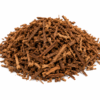

Acacia acuminata Root Bark (Whole)
Price range: $120.99 through $570.99
🌿 Acacia acuminata Root Bark (Whole)
Discover Acacia acuminata Root Bark (Whole), a minimally processed botanical material associated with Acacia acuminata, an Australian tree species belonging to the Fabaceae family.
🌱 Botanical: Acacia acuminata
🌏 Native Range: Southwestern Australia
🍂 Plant Material: Root bark
🌿 Form: Whole / minimally processed
📚 Collection: Specialty botanical materials
✨ Natural Botanical Supply provides detailed botanical information, careful product presentation, professional packaging, and reliable worldwide service.
⚠️ Please verify applicable laws and regulations in your location before purchasing, possessing, importing, or otherwise handling this product.
🌿 Acacia acuminata Root Bark (Whole)
Acacia acuminata Root Bark (Whole) is a minimally processed botanical material associated with Acacia acuminata Benth., an accepted species within the Fabaceae family.
This product is presented in a whole root bark format, retaining larger pieces and more of the original physical structure than shredded or finely powdered botanical forms.
Natural Botanical Supply provides detailed information about botanical identity, geographic range, physical form, natural characteristics, storage, and general product considerations.
🌱 About Acacia acuminata
Acacia acuminata Benth. is an accepted species according to the Royal Botanic Gardens, Kew. The species belongs to the Fabaceae family and the genus Acacia.
Kew records the native range of Acacia acuminata as Southwestern Australia, where it occurs as a tree and grows primarily in the subtropical biome.
For current botanical classification and geographic information, consult the Royal Botanic Gardens, Kew – Plants of the World Online: Acacia acuminata .
🌿 Botanical Information
| Scientific Name | Acacia acuminata Benth. |
| Family | Fabaceae |
| Genus | Acacia |
| Plant Type | Tree |
| Native Range | Southwestern Australia |
| Product Form | Whole Root Bark |
🍂 Understanding Whole Root Bark
The term whole root bark describes the physical form of the botanical material. Unlike powder, which has been finely milled, or shredded bark, which has been reduced to smaller pieces, whole root bark retains larger sections of the original material.
This allows more of the natural physical structure, fibers, irregular edges, and variations in thickness to remain visible.
Because this is a natural botanical material, individual pieces may differ in size, shape, color, texture, and thickness.
🔬 Whole vs Shredded vs Powder
| Characteristic | Whole | Shredded | Powder |
|---|---|---|---|
| Physical Form | Large pieces | Smaller fibrous pieces | Fine material |
| Visible Structure | High | Moderate | Limited |
| Processing | Minimal | Shredded | Finely milled |
🌿 Natural Product Characteristics
- 🍂 Whole Botanical Form: Larger pieces retain more visible physical structure.
- 🎨 Natural Color Variation: Color can vary naturally between pieces and batches.
- 🌱 Irregular Shape: Natural root bark pieces may vary in size, thickness, and edge shape.
- 🔬 Species-Specific Identification: The scientific name Acacia acuminata identifies the botanical species represented by the product.
- 📦 Careful Packaging: Products are packaged with attention to protecting their condition during storage and transportation.
🌏 Botanical Origin & Distribution
Acacia acuminata is native to Southwestern Australia. Kew’s current taxonomic record identifies the species as an accepted member of the Acacia genus within the Fabaceae family.
The species is recorded as a tree and grows primarily in the subtropical biome. Its documented geographic range is an important distinction when researching Acacia botanical materials.
For additional information about its accepted name and geographic range, visit Kew’s Plants of the World Online .
📚 Why Scientific Names Matter
The genus Acacia contains many different species, and common commercial names can sometimes make it difficult to distinguish between them.
Using the scientific name Acacia acuminata provides a much more precise botanical reference and helps distinguish this species from other Acacia products in the marketplace.
This is particularly important when comparing botanical materials described as Acacia root bark, because different species can have different geographic ranges and botanical characteristics.
📦 Storage Information
To help maintain the condition of whole botanical bark, store the product in a cool, dry environment protected from excessive moisture, heat, and prolonged direct sunlight.
- 💧 Protect from moisture
- ☀️ Avoid prolonged direct sunlight
- 🌡️ Keep away from excessive heat
- 📦 Keep securely sealed when not in use
⭐ Why Choose Natural Botanical Supply?
🌿 Detailed Botanical Information
We provide clear information about species identity, geographic range, plant material, and product form.
📦 Careful Product Presentation
Our botanical products are prepared and presented with attention to product condition and information.
🌎 Worldwide Service
We serve customers internationally, subject to destination requirements and applicable regulations.
📚 Botanical Knowledge Center
Explore educational resources covering Acacia species, plant classification, botanical materials, and natural products.
📚 Explore More Botanical Information
Learn more about Acacia species through our Botanical Knowledge Center , where we publish botanical profiles, educational guides, and information about natural plant materials.
Explore our Acacia Botanical Collection for related Acacia products currently available.
❓ Frequently Asked Questions
🌿 What is Acacia acuminata Root Bark?
Acacia acuminata Root Bark is botanical bark material associated with Acacia acuminata, an accepted Acacia species native to Southwestern Australia.
🍂 What does “whole” mean?
“Whole” describes the physical presentation of the product. It means the material is supplied as larger pieces rather than being finely milled into powder.
🌱 What is the scientific name?
The accepted scientific name is Acacia acuminata Benth.
🌏 Where is Acacia acuminata native?
Kew records the native range of Acacia acuminata as Southwestern Australia.
🆚 Is Acacia acuminata the same as Acacia confusa?
No. Acacia acuminata and Acacia confusa are different Acacia species. Their scientific names and geographic ranges should be used to distinguish between the two.
🔬 How is whole root bark different from shredded bark?
Whole root bark consists of larger pieces with more visible physical structure, while shredded root bark has been cut or reduced into smaller fibrous pieces.
📦 How should whole Acacia acuminata root bark be stored?
Store it in a cool, dry environment protected from moisture, excessive heat, and prolonged direct sunlight.
⚖️ Are botanical root-bark products regulated everywhere?
No. Regulations concerning botanical materials vary between countries and jurisdictions. Customers are responsible for determining the applicable requirements in their location before purchasing, possessing, importing, or otherwise handling botanical products.
⚠️ Important Compliance Information
This page provides botanical and general product information only. It does not constitute medical, legal, or professional advice.
Customers are responsible for understanding and complying with all applicable laws and regulations before purchasing, possessing, importing, or otherwise handling botanical products.
📖 Botanical Reference
Taxonomic and geographic information for Acacia acuminata:
Royal Botanic Gardens, Kew – Plants of the World Online: Acacia acuminata
| Choose Quantity | 1Kg, 2Kg, 3Kg, 4Kg, 5Kg |
|---|
Be the first to review “Acacia acuminata Root Bark (Whole)”
Related products

Mimosa Hostilis Root Bark
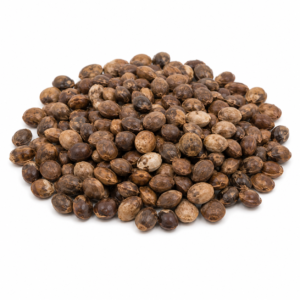
Mimosa Hostilis Root Bark

Acacia Confusa

Acacia Confusa
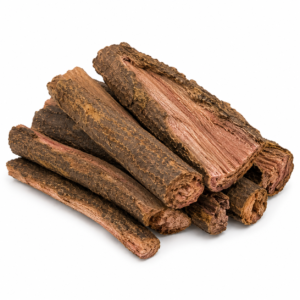
Mimosa Hostilis Root Bark
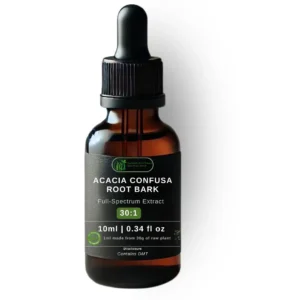
Acacia Confusa
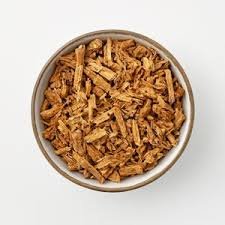
Acacia Confusa

Acacia Confusa
Reviews
There are no reviews yet.