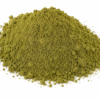

San Pedro cactus powder
Price range: $220.99 through $950.99
🌵 San Pedro Cactus Powder (Echinopsis pachanoi)
Discover San Pedro Cactus Powder, a finely processed botanical material associated with Echinopsis pachanoi, a distinctive columnar cactus species from South America.
🌵 Botanical: Echinopsis pachanoi
🌿 Also Known As: San Pedro Cactus
🔬 Form: Botanical Powder
📚 Collection: Specialty Cactus Botanicals
✨ Carefully presented botanical material with detailed product information, professional packaging, and worldwide service from Natural Botanical Supply.
⚠️ Please verify applicable laws and regulations in your location before purchasing, possessing, importing, or otherwise handling this product.
🌵 San Pedro Cactus Powder (Echinopsis pachanoi)
San Pedro Cactus Powder is a finely processed botanical material associated with Echinopsis pachanoi, a columnar cactus species belonging to the Cactaceae family.
Natural Botanical Supply presents this specialty cactus botanical with detailed information about its botanical identity, physical form, natural characteristics, storage, and general product information.
The powder format provides a substantially different physical presentation from whole cactus stems or dried cactus pieces, with the original plant material processed into a fine botanical consistency.
🌿 About San Pedro Cactus
San Pedro Cactus is the common name associated with Echinopsis pachanoi, a columnar cactus species native to areas of the Andes region of South America.
The species is recognized by its upright columnar growth, green to blue-green coloration, pronounced vertical ribs, areoles, and characteristic cactus structure.
The name Trichocereus pachanoi is also encountered in older botanical and horticultural literature. Modern taxonomic treatments place the species within the genus Echinopsis.
🌱 Botanical Information
| Common Name | San Pedro Cactus |
| Scientific Name | Echinopsis pachanoi |
| Alternative Name | Trichocereus pachanoi |
| Family | Cactaceae |
| Growth Form | Columnar cactus |
| Product Form | Botanical Powder |
🔬 Understanding San Pedro Cactus Powder
San Pedro Cactus Powder is a processed botanical form in which dried cactus material has been reduced to a fine consistency. Processing changes the physical appearance of the original cactus while producing a more uniform powder-like material.
The natural color and texture of cactus powder can vary depending on the source material, drying process, preparation methods, and other natural characteristics of the plant material.
Because botanical powders are natural products, individual batches may display differences in shade, texture, particle size, and overall appearance.
🌵 Natural Product Characteristics
- 🌿 Botanical Source: Associated with Echinopsis pachanoi.
- 🔬 Fine Powder Format: The cactus material has been processed into a smaller particle size.
- 🌱 Natural Variation: Color and texture can vary between botanical batches.
- 📦 Careful Presentation: The product is packaged according to its botanical form and quantity.
🍃 Powder Compared With Whole Cactus
| Characteristic | Powder | Whole / Cut Cactus |
|---|---|---|
| Physical Form | Fine botanical material | Recognizable cactus sections |
| Plant Structure | Not visually distinguishable as a whole stem | Visible ribs and cactus structure |
| Texture | Fine and granular | Firm, fibrous cactus material |
🏔️ Botanical Background
San Pedro Cactus is associated with the Andes region of South America. Columnar cactus species found in mountainous environments have developed physical characteristics that help them adapt to variable temperatures, sunlight, soil conditions, and water availability.
The upright stem, longitudinal ribs, areoles, and green surface are among the most recognizable characteristics associated with San Pedro Cactus.
📦 Storage Information
To help maintain the condition of botanical powder, store the product in a cool, dry environment away from excessive moisture, excessive heat, and prolonged direct sunlight.
- 💧 Protect from moisture
- ☀️ Avoid prolonged direct sunlight
- 🌡️ Keep away from excessive heat
- 📦 Keep securely sealed when not in use
⭐ Why Choose Natural Botanical Supply?
🌿 Detailed Botanical Information
We provide clear information about botanical identity, characteristics, and product form.
📦 Careful Product Presentation
Our specialty botanical products are prepared and packaged with attention to product condition and presentation.
🌎 Worldwide Service
We serve customers internationally, subject to destination requirements and applicable regulations.
📚 Botanical Knowledge Center
Explore educational resources covering cactus species, plant classification, botanical materials, and natural product information.
📚 Explore More Botanical Information
Interested in learning more about San Pedro Cactus? Visit our Botanical Knowledge Center for botanical profiles, educational guides, and information about natural plant materials.
You can also explore our San Pedro Cactus Collection to discover other products associated with this botanical category.
For another related columnar cactus, explore our Peruvian Torch Cactus Collection .
❓ Frequently Asked Questions
🌵 What is San Pedro Cactus Powder?
San Pedro Cactus Powder is a finely processed botanical material associated with Echinopsis pachanoi, a columnar cactus species belonging to the Cactaceae family.
🔬 What is the scientific name of San Pedro Cactus?
The species is commonly identified botanically as Echinopsis pachanoi. The name Trichocereus pachanoi is also encountered in older botanical and horticultural references.
🌿 What does San Pedro Cactus Powder look like?
Natural cactus powder generally has a fine, plant-derived texture and may vary in color depending on the source material and processing conditions.
🍃 How is powder different from whole cactus?
Powder has been processed into a fine material, while whole or cut cactus retains recognizable stem structure, ribs, and other physical features.
📦 How should San Pedro Cactus Powder be stored?
Store the product in a cool, dry environment protected from moisture, excessive heat, and prolonged direct sunlight.
⚖️ Are San Pedro Cactus products regulated everywhere?
No. Laws and regulations concerning particular cactus species and botanical preparations vary between countries and jurisdictions. Customers are responsible for determining the requirements applicable to their location.
⚠️ Important Compliance Information
This page provides botanical and general product information only. It does not constitute medical, legal, or professional advice.
Customers are responsible for understanding and complying with all applicable laws and regulations before purchasing, possessing, importing, or otherwise handling botanical products.
📖 Botanical Reference
For current botanical classification and nomenclature, consult a recognized botanical database such as the Royal Botanic Gardens, Kew – Plants of the World Online .
Be the first to review “San Pedro cactus powder”
Related products

Mimosa Hostilis Root Bark

Mimosa Hostilis Root Bark
Mimosa Hostilis Root Bark
Peruvian Torch Cactus (Echinopsis peruviana)
Reviews
There are no reviews yet.