
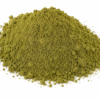

SAN PEDRO CACTUS Powder Echinopsis Pachanoi Wuachuma
Price range: $145.00 through $480.00
🌵 San Pedro Cactus Powder (Echinopsis pachanoi) — finely milled botanical specimen material from the Andean highlands of Peru, supplied for research, comparative cactus study, and reference collections.
Prepared from cultivated specimens with the woody core and spines removed, then carefully dried and milled to a uniform consistency. Distinctive green-to-olive tone with a clean botanical aroma.
🌿 Cultivated sourcing · Origin-labeled · Core and spines removed · Additive-free · Not for consumption.
🌵 San Pedro Cactus Powder (Echinopsis pachanoi) — Botanical Specimen
Echinopsis pachanoi — widely known as San Pedro cactus, or Huachuma in traditional Andean contexts — is a columnar cactus native to the Andean mountain regions of Peru and Ecuador. It is one of the most historically documented columnar cactus species in South American botanical records, appearing in archaeological and ethnobotanical literature spanning more than 3,000 years.
Our San Pedro Cactus Powder is prepared from cultivated Echinopsis pachanoi specimens. The woody inner core and outer spines are removed before drying, leaving only the fleshy green stem material. That material is then finely milled to a uniform powder suitable for botanical research, comparative study, and specimen collections.
📋 Botanical Profile
| Attribute | Detail |
|---|---|
| Scientific name | Echinopsis pachanoi (syn. Trichocereus pachanoi) |
| Common names | San Pedro cactus, Huachuma, Aguacolla, Gigantón |
| Family | Cactaceae |
| Genus | Echinopsis |
| Plant type | Columnar cactus |
| Typical height | 3–6 meters at maturity |
| Native range | Andean Peru, Ecuador, Bolivia, northern Chile |
| Rib count | 6–8 rounded ribs per stem |
| Spines | Short, light brown to tan |
| Skin | Deep green, smooth |
| Flowers | Large white nocturnal blooms |
| Form supplied | Finely milled powder, core and spines removed |
Scientific classification and synonym history are documented in the Royal Botanic Gardens Kew Plants of the World Online database.
🌎 Native Range & Growth Characteristics
Echinopsis pachanoi grows naturally in the Andean highlands at elevations of roughly 2,000–3,000 meters, where it experiences intense sunlight and cool nights. It is one of the fastest-growing columnar cacti in the world, capable of adding 30–40 cm of new growth per year under favorable conditions.
The species is closely related to Peruvian Torch (Echinopsis peruviana) but botanically distinct. San Pedro is typically greener, with shorter spines and a smoother skin surface; Peruvian Torch tends to be bluer, with longer golden spines and thicker stem walls. Both species are widely cultivated in botanical gardens and private collections worldwide.
San Pedro cactus has been documented in Andean archaeological records — including Chavín, Moche, and Nazca material — making it one of the most culturally documented plant species in South American botany.
✨ Common Applications
- Botanical reference collections — preserved powder supports comparative Cactaceae study
- Taxonomic research — used alongside other Echinopsis specimens to study species differentiation
- Educational material — useful for teaching cactus morphology, rib structure, and Andean plant diversity
- Archival and documentation work — compact powder format suits long-term storage in reference archives
- Comparative study with Peruvian Torch — pairs well with Peruvian Torch Cactus Powder for side-by-side morphological comparison
🔬 Powder vs Dried Skin Format
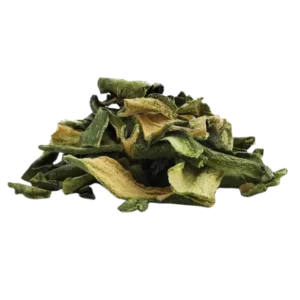
We supply San Pedro in both powder and dried skin form. Powder provides maximum surface area, uniform consistency, and compact storage — ideal for reference samples where consistent appearance matters. Dried skin preserves visible plant structure — rib impressions, areole marks, and outer skin texture — for morphological study and visual identification.
Both forms come from the same cultivated Echinopsis pachanoi source material.
🌱 Quality Characteristics
Our San Pedro Cactus Powder is:
- Sourced from cultivated Echinopsis pachanoi — not wild-harvested
- Core and spines removed before drying for a cleaner, more uniform material
- Carefully dried and finely milled to consistent particle size
- Free from additives, fillers, or chemical treatments
- Labeled with botanical name, origin, and lot number for traceability
- Inspected for color consistency, moisture content, and absence of contamination
Natural variation in color and texture between batches is expected and reflects differences in plant maturity, growing conditions, and harvest timing rather than differences in quality. High-quality San Pedro powder typically shows a green to olive-green tone, a mild botanical aroma, and a smooth, consistent texture.
📦 Storage Guidance
To preserve quality over time:
- Store in an airtight container away from direct sunlight and heat
- Keep in a cool, dark, dry location — ideal below 20°C
- Add a food-grade silica gel desiccant packet for extended storage
- Handle with clean, dry hands or tools to avoid transferring moisture
- Label with the date received to track storage duration
Properly stored, San Pedro Cactus Powder retains its color, texture, and botanical integrity for 12–18 months. For general dried specimen storage guidance, see the Kew Herbarium collection guidelines.
📏 Available Quantities
Available in 500 g, 1 kg, 2 kg, and 3 kg quantities. Bulk pricing available on request for research institutions and larger collection orders.
⚠️ Compliance Notice
San Pedro Cactus Powder (Echinopsis pachanoi) is sold strictly as a botanical specimen for research, education, collection, and reference purposes only.
It is not intended for human consumption, extraction, or any application prohibited by law. The seller makes no claims regarding medicinal, therapeutic, or psychoactive properties of this material. Buyers are solely responsible for verifying that purchasing, importing, and possessing this plant material is lawful in their jurisdiction before placing an order.
❓ Frequently Asked Questions
What is San Pedro Cactus Powder?
San Pedro Cactus Powder is a finely milled botanical specimen prepared from dried Echinopsis pachanoi stem material, with the woody core and spines removed. It is supplied for botanical research, comparative study, and specimen collections.
Is San Pedro the same as Peruvian Torch?
No. They are closely related but distinct species. San Pedro (Echinopsis pachanoi) is typically greener with shorter spines and smoother skin. Peruvian Torch (Echinopsis peruviana) tends to be bluer with longer golden spines and thicker stem walls.
Does the powder contain the core or spines?
No. We remove the woody inner core and outer spines before drying, so the powder consists only of the fleshy green stem material. This produces a cleaner, more uniform product.
Where does your San Pedro come from?
Our San Pedro Cactus Powder is sourced from cultivated specimens in the Andean highlands of Peru. Each batch is labeled with origin and a lot number for traceability.
Is this product chemically processed?
No. It is dried and milled only, with no chemical extraction, additives, or fillers. Natural variation in color and texture between batches is normal.
How should I store San Pedro Cactus Powder?
Store in a sealed, airtight container in a cool, dark, dry location away from direct sunlight. Add a silica gel desiccant packet for extended storage. Properly stored, the powder retains quality for 12–18 months.
Do you offer dried skin instead of powder?
Yes. We carry both forms. The dried skin version preserves visible plant structure including rib impressions and outer skin texture.
Is San Pedro legal to buy?
Legality varies by jurisdiction. Buyers are responsible for verifying that purchasing, importing, and possessing this plant material is lawful in their location before placing an order.
| Quantity | 1kg, 2kg, 3kg, 4kg, 5kg |
|---|
Be the first to review “SAN PEDRO CACTUS Powder Echinopsis Pachanoi Wuachuma”
Related products

San Pedro
Reviews
There are no reviews yet.