
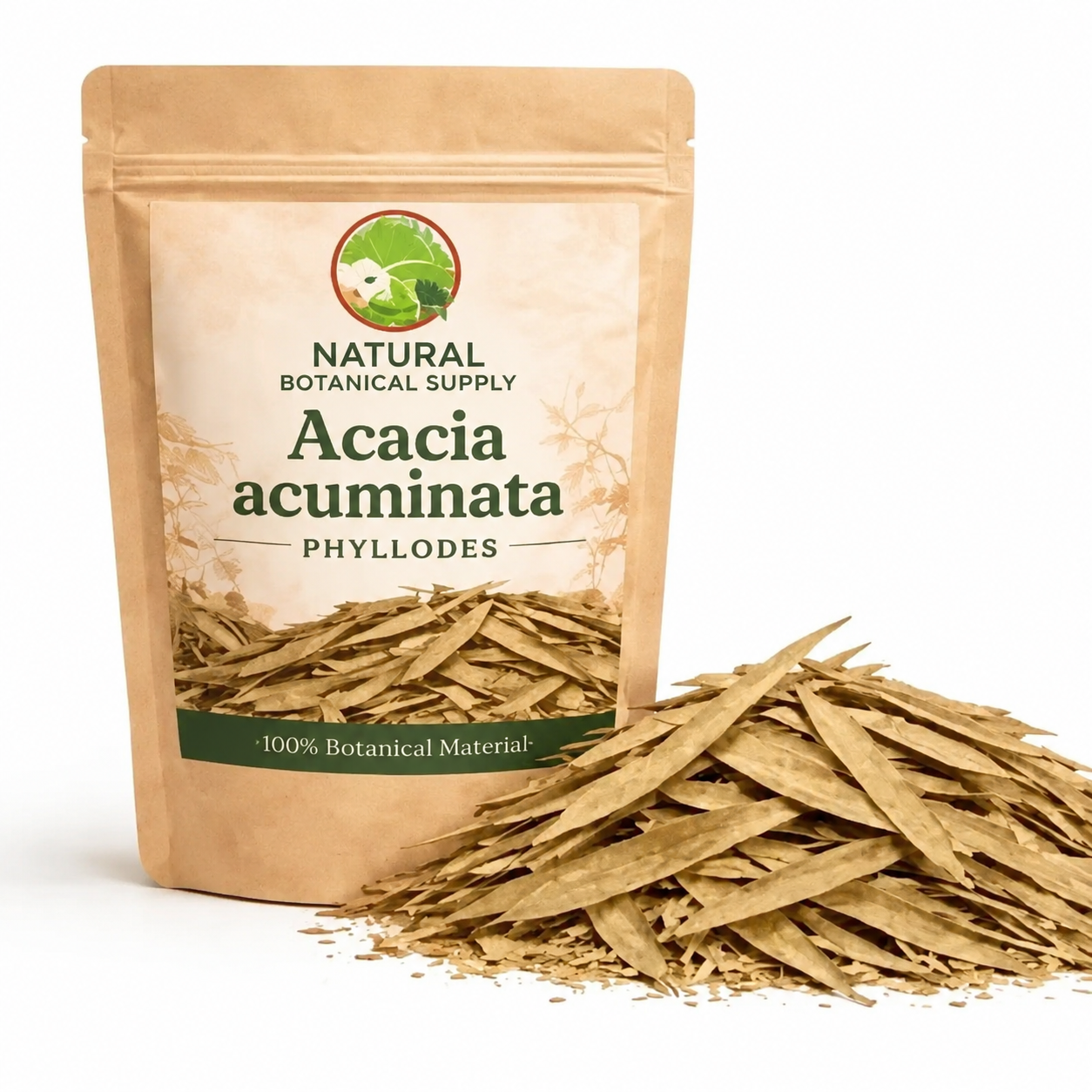
Acacia acuminata phyllodes
Price range: $120.00 through $580.00
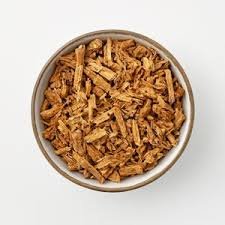
🌿 Acacia acuminata Phyllodes
Discover Acacia acuminata Phyllodes, the distinctive leaf-like botanical structures associated with Acacia acuminata, an Australian species belonging to the Fabaceae family.
🌱 Botanical: Acacia acuminata
🍃 Plant Structure: Phyllodes
🌏 Native Range: Southwestern Australia
📚 Collection: Specialty botanical materials
✨ Natural Botanical Supply provides detailed botanical information, careful product presentation, professional packaging, and reliable worldwide service.
⚠️ Please verify applicable laws and regulations in your location before purchasing, possessing, importing, or otherwise handling this product.
🌿 Acacia acuminata Phyllodes
Acacia acuminata Phyllodes are the distinctive flattened, leaf-like structures associated with Acacia acuminata, an Australian Acacia species belonging to the Fabaceae family.
Unlike the typical leaves found on many other plant species, phyllodes are modified leaf structures commonly associated with Acacia plants. Their shape, texture, and appearance are important botanical characteristics when identifying Acacia species.
Natural Botanical Supply presents this botanical material with detailed information about species identity, plant structure, geographic range, natural characteristics, and product storage.
🌱 About Acacia acuminata
Acacia acuminata Benth. is an accepted species within the genus Acacia and the Fabaceae family. The Royal Botanic Gardens, Kew records its native range in Southwestern Australia.
The species occurs as a tree and is associated primarily with subtropical environments. Its distinctive botanical structures provide useful features for identifying the species and distinguishing it from other Acacia plants.
For current botanical classification and distribution information, consult the Royal Botanic Gardens, Kew – Plants of the World Online: Acacia acuminata .
🍃 What Are Phyllodes?
A phyllode is a modified leaf structure in which the flattened leaf stalk, or petiole, performs much of the photosynthetic function normally associated with a leaf blade.
Phyllodes are particularly characteristic of many Acacia species. They can vary considerably in shape, size, thickness, and texture between different species.
This makes the term phyllode more botanically precise than simply referring to every Acacia phyllode as a conventional leaf.
🔬 Botanical Information
| Scientific Name | Acacia acuminata Benth. |
| Family | Fabaceae |
| Genus | Acacia |
| Plant Type | Tree |
| Native Range | Southwestern Australia |
| Botanical Structure | Phyllodes |
🌿 Natural Characteristics
- 🍃 Leaf-Like Structure: Phyllodes perform functions normally associated with leaves.
- 🌱 Natural Botanical Material: Appearance can vary according to natural plant characteristics and preparation.
- 🎨 Natural Variation: Color, size, thickness, and texture may vary between individual pieces.
- 🌏 Australian Species: Acacia acuminata is naturally associated with Southwestern Australia.
- 📦 Careful Product Presentation: Botanical materials are packaged according to their product format.
🌏 Botanical Origin
Acacia acuminata is native to Southwestern Australia. Kew’s current taxonomic record identifies the species as an accepted member of the Acacia genus within the Fabaceae family.
Its geographic range is an important part of its botanical identity and helps distinguish Acacia acuminata from other Acacia species.
You can review the current taxonomic record through Kew’s Plants of the World Online .
🆚 Phyllodes vs Traditional Leaves
| Feature | Acacia Phyllodes | Typical Leaf |
|---|---|---|
| Structure | Modified leaf stalk | Leaf blade and stalk |
| Appearance | Often flattened or leaf-like | Typical leaf blade |
| Botanical Role | Photosynthetic structure | Photosynthetic structure |
📚 Why Scientific Names Matter
The genus Acacia contains many different species with different geographic ranges and botanical characteristics.
Using the scientific name Acacia acuminata helps distinguish this species from other Acacia plants and provides a more precise reference when researching botanical materials.
📦 Storage Information
Follow the product-specific storage instructions. Dried botanical materials should generally be protected from excessive moisture, heat, and prolonged direct sunlight and kept appropriately sealed when not in use.
- 💧 Protect from moisture
- ☀️ Avoid prolonged direct sunlight
- 🌡️ Protect from excessive heat
- 📦 Keep appropriately sealed
⭐ Why Choose Natural Botanical Supply?
🌿 Detailed Botanical Information
We provide clear information about species identity, classification, plant structures, and natural characteristics.
📦 Careful Product Presentation
Our botanical collections are prepared and presented with attention to product condition and information.
🌎 Worldwide Service
We serve customers internationally, subject to destination requirements and applicable regulations.
📚 Botanical Knowledge Center
Explore educational resources about Acacia species, phyllodes, plant classification, and botanical diversity.
📚 Explore More Acacia Information
Learn more about Acacia species through our Botanical Knowledge Center , where we publish botanical profiles, educational guides, and information about natural plant materials.
Explore our Acacia Botanical Collection for related Acacia products.
You can also explore our Acacia acuminata Root Bark (Whole) to compare different botanical materials from the same species.
❓ Frequently Asked Questions
🌿 What are Acacia acuminata Phyllodes?
Acacia acuminata Phyllodes are the modified, leaf-like structures associated with Acacia acuminata. They perform much of the photosynthetic function normally associated with leaves.
🔬 What is the scientific name of this plant?
The accepted scientific name is Acacia acuminata Benth.
🌏 Where is Acacia acuminata native?
Kew records its native range as Southwestern Australia.
🍃 Are phyllodes the same as ordinary leaves?
Not exactly. A phyllode is a modified leaf stalk that takes on the photosynthetic function normally performed by a leaf blade.
🌱 Does Acacia acuminata naturally have phyllodes?
Yes. Phyllodes are an important botanical characteristic associated with many Acacia species.
🎨 Can the appearance vary naturally?
Yes. Natural botanical material can vary in color, size, thickness, and texture depending on the plant and preparation.
📦 How should botanical phyllodes be stored?
Follow the product-specific instructions and protect the material from excessive moisture, heat, and prolonged direct sunlight.
⚖️ Are botanical plant materials regulated everywhere?
No. Regulations vary between countries and jurisdictions. Customers are responsible for determining the requirements applicable to their location before purchasing, possessing, importing, or otherwise handling botanical products.
⚠️ Important Compliance Information
This page provides botanical and general product information only. It does not constitute medical, agricultural, legal, or professional advice.
Customers are responsible for understanding and complying with all applicable laws and regulations before purchasing, possessing, importing, or otherwise handling botanical materials.
📖 Botanical Reference
Taxonomic and geographic information for Acacia acuminata:
Royal Botanic Gardens, Kew – Plants of the World Online: Acacia acuminata
| Quantity | 500g, 1kg, 2kg, 3kg, 4kg |
|---|
Be the first to review “Acacia acuminata phyllodes”
Related products
Acacia Confusa
Acacia Confusa
Acacia Confusa

Acacia Confusa

Acacia Confusa

Acacia Confusa
Reviews
There are no reviews yet.